

Resource details
-
 Author: Hammond Innovations
-
 Read time: 1 min. read
Share


-
Author: Hammond Innovations
-
Read time: 1 min. read
The wife of Hollywood action hero Bruce Willis has shared with delegates at the International Dementia Conference 2026 about the traumatic initial days after her husband’s diagnosis, as she launched a new HammondCare support website for Australian families of people with a rare dementia.
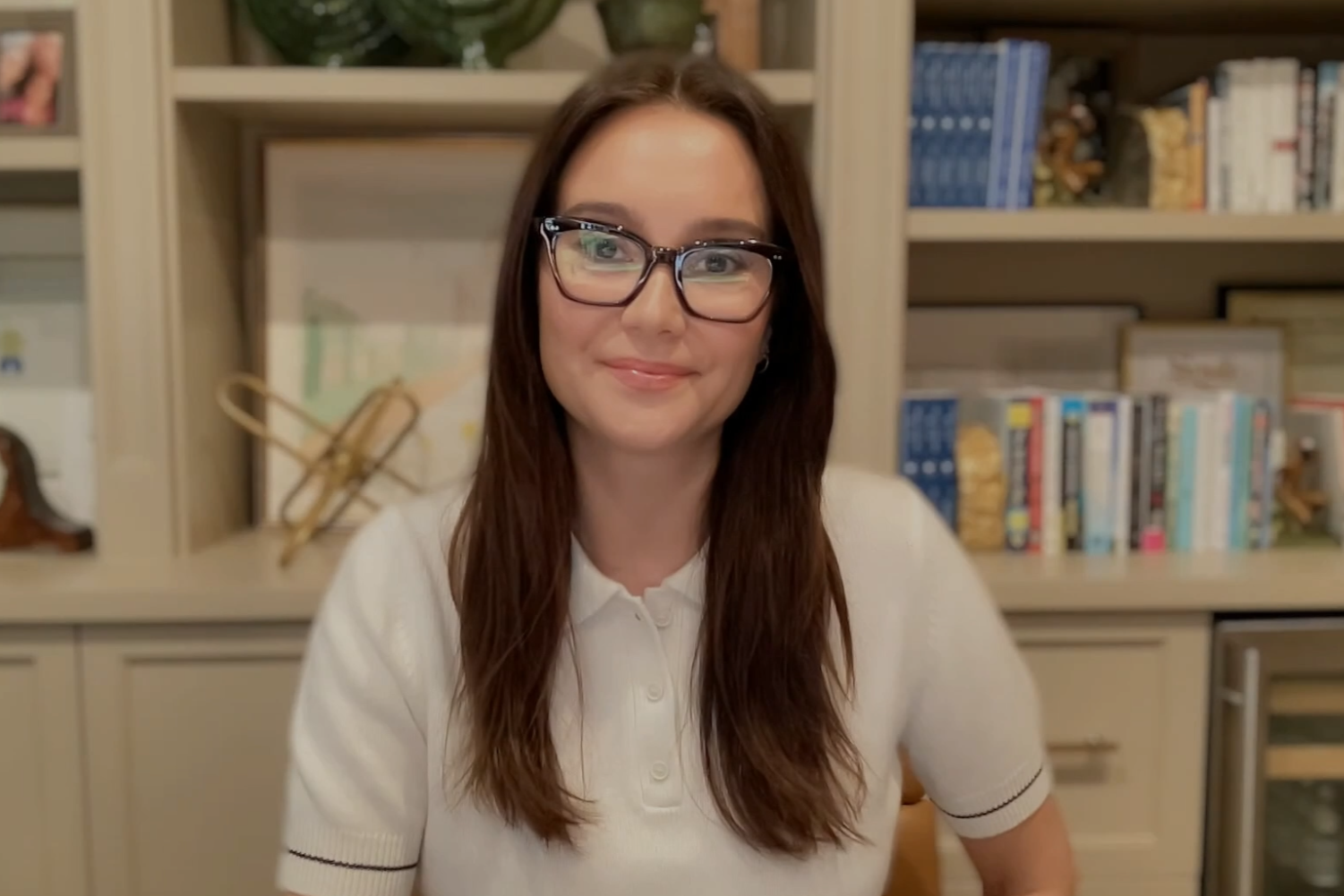
Emma Heming Willis, 47, told IDC2026 that she was left in desperate need for more information and an understanding of how she could protect the couple’s two young daughters after her husband’s initial diagnosis of frontotemporal dementia (FTD).
FTD accounts for about 1 in 25 cases of dementia. While symptoms may vary, FTD affects the frontal and temporal lobes and early symptoms primarily involve extreme changes in behaviour, personality, or language, rather than the memory loss typically associated with Alzheimer's disease.
“We walked out of our early diagnosis with no road map no clear guidance just a check back in in a month and that was it,” she told the conference via video.
“For our family, receiving a rare dementia diagnosis came up with so much confusion and uncertainty.
“What we were facing did not look like what most people imagine dementia looks like. Because of that, it would feel incredibly isolating.”
Ms Heming Willis said the new website, raredementia.com.au would help families in similar situations to hers, understand what support services are available. It will also boost community understanding that there are many more forms of dementia than just Alzheimer’s disease.
The Willis family announced Bruce Willis, now 71, had been diagnosed with FTD in February 2023. Ms Heming Willis, who married Bruce Willis in 2009, has since become a leading advocate for dementia awareness.
“The rare dementias support program, led by HammondCare, as part of the international rare dementias support community, recognises something deeply important - support should not depend on how common your diagnosis is,” she said.
 IDC 2026 co-convenor Marie Alford, who led a panel discussion on rare dementias following Ms Heming Willis’ message, said the website should help improve understanding of conditions other than Alzheimer’s disease such as Lewy Body Dementia, Younger Onset Alzheimer’s Disease and Primary Progressive Aphasia, as well as FTD.
“When we talk about rare dementias it’s with an understanding that they are not the dominant story in the narrative – this website will help address this,” Ms Alford said.
Ms Heming Willis shares in more detail of her life with Bruce since his FTD diagnosis in her book The Unexpected Journey.